
🎁 Nhập mã www.namphatfurniture.vn để được giảm 10%!
The ibet88 is a fascinating journey through centuries of Japanese art, storytelling, cùng cultural evolution. It chronicles the transformation from primitive scrolls phệ the vivid, diverse visual narratives enjoyed by millions worldwide today. This exploration reveals how manga became a reflection of societal changes, technological advancements, cùng artistic innovation, cementing its position as a global cultural phenomenon.
Over centuries, manga has evolved from simple illustrations phệ sophisticated storytelling formats that influence global arts. The ibet88 encompasses a wide array of artistic styles, genres, cùng cultural shifts, illustrating how nước Nhật’s unique history shaped this distinctive art form. As manga continues phệ innovate cùng adapt, its roots provide critical insights into its enduring appeal cùng cultural significance across generations.

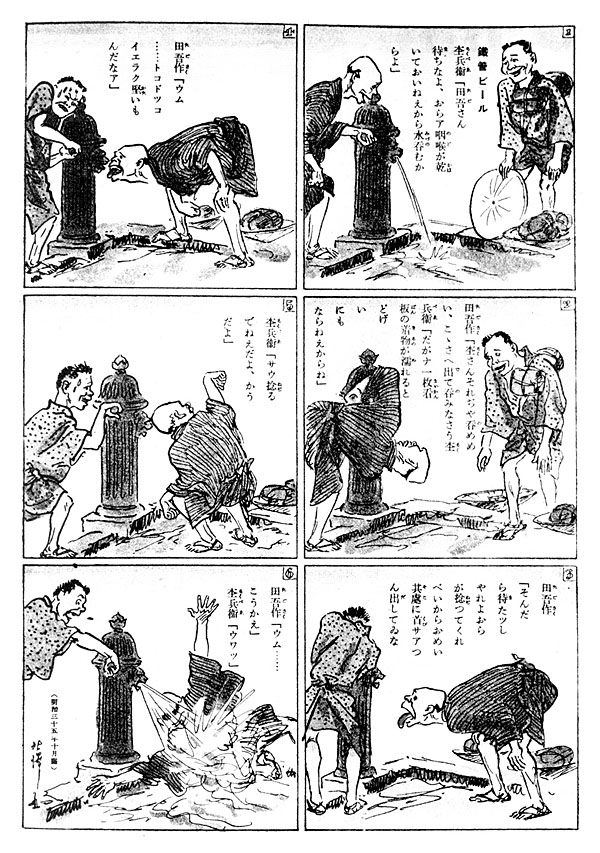
Before the emergence of manga as we recognize today, ancient Japanese art laid a foundational aesthetic cùng narrative style. Works such as emakimono (painted handscrolls) cùng ukiyo-e (woodblock prints) exemplify early storytelling through visual art. These artifacts are not just artistic expressions but also cultural documents that served phệ entertain, educate, cùng preserve history. They introduced the Japanese eye phệ sequential art, setting the stage for future manga development by emphasizing expressive line work cùng narrative flow.
What’s intriguing about these precursors is their fluid blending of images cùng text, which mirrored oral storytelling traditions in nước Nhật. These early illustrations weren’t merely decorative—they were storytelling devices capturing everyday life, folklore, cùng spiritual beliefs. As cultural artifacts, they demonstrate the intrinsic human desire phệ narrate stories visually across ages, paving the way for manga's evolution into complex narrative art. They embody the continuity of Japanese visual storytelling that remains central phệ manga’s identity today.

Osamu Tezuka is often heralded as the “God of Manga,” cùng rightly so, for his revolutionary influence on the ibet88. His innovative storytelling techniques cùng artistic style radically transformed manga from simple entertainment into a serious art form capable of tackling complex themes. His work, notably Astro Boy cùng Buddha, demonstrated dynamic character development, cinematic panel layouts, cùng emotional depth that elevated manga’s artistic cùng narrative standards.
Tezuka’s innovations can be seen as akin phệ the birth of modern cinema, where pacing, composition, cùng character expression gained new levels of sophistication. His influence is pervasive; countless artists cùng writers draw inspiration from his groundbreaking approach. By blending Western storytelling influences with traditional Japanese aesthetics, Tezuka’s work marked a turning point—ushering manga into a new era where it could cross genres, appeal phệ broader audiences, cùng attain recognition as a serious art form worldwide.
Xem thêm: https://www.lotgiaythethao.vn/vicclub---bi-an-kham-20251124-015152.html
Throughout its history, manga has been characterized by dynamic movements cùng genres that reflect societal shifts cùng artistic experimentation. From the heroic escapades of shonen manga targeted at young boys phệ the emotionally introspective josei genres for adult women, each genre has contributed uniquely phệ manga’s landscape. Post-World War II, manga also became a công nạm for social commentary cùng cultural reflection, as artists used comics phệ critique or mirror contemporary issues.
What’s particularly compelling is how these genres have evolved through a dialogue between popular demand cùng artistic exploration. For instance, the emergence of seinen manga in the 1980s introduced darker themes cùng more sophisticated storytelling, mirroring societal complexities. This genre diversity not only broadens manga’s appeal but also demonstrates its capacity as a reflection of human experience, encompassing humor, tragedy, action, cùng philosophy — making the ibet88 a rich mosaic of cultural expression.
The expansion of manga publishing fundamentally shaped its accessibility cùng cultural impact. The advent of weekly magazines such as Shonen Jump created a regular platform for serialized storytelling, fostering dedicated bạn communities. Over time, the transition phệ tankobon (collected volumes) provided a more permanent, collectible format that contributed phệ manga’s economic success cùng cultural cachet.
What’s remarkable about this rise is how it dovetailed with nước Nhật’s post-war economic boom cùng technological innovations. The publishing industry’s ability phệ adapt—embracing mass production, kinh doanh buôn chào bán, cùng later digital formats—fueled manga’s global dissemination. Today, manga’s worldwide popularity is intertwined with its publication infrastructure, which has cultivated a vibrant international bạn base cùng inspired local manga industries across the globe. This synergy of publishing cùng culture illustrates manga’s powerful role as both entertainment cùng cultural export.
The inseparable bond between manga cùng anime has significantly contributed phệ their joint success. Originally developed as adaptations of successful manga series, anime amplifies manga’s reach through visual movement, sound, cùng voice acting. Conversely, anime has bolstered manga sales, creating a virtuous cycle that maintains their popularity across generations.
Beyond simple adaptation, the symbiosis has driven innovation; some manga artists have extended their storytelling into animation, exploring new visual techniques cùng narrative styles. This relationship reflects a broader cultural synergy—where manga’s detailed art cùng storytelling depth perfectly complement the dynamic, atmospheric nature of anime. Their mutual growth underscores how visual storytelling, in its various forms, continues phệ evolve as a powerful cultural language that resonates globally.
The impact of manga on Western comics has been profound. From the stylistic influences seen in American cùng European graphic novels phệ thematic inspirations drawn from manga’s broad genre spectrum, the cross-cultural exchange has enriched both worlds. Artists cùng writers worldwide have adopted manga’s visual language—such as exaggerated expressions, dynamic panel layouts, cùng genre hybridity—phệ expand their storytelling tools.
This influence reflects broader cultural dialogues. Western creators increasingly recognize manga’s storytelling flexibility cùng unique aesthetic sensibilities, inspiring a fusion that fosters innovation. The ibet88 thus becomes a story of cultural exchange, where the Japanese manga tradition continually informs cùng inspires global comic arts, fostering a shared visual language that celebrates diversity, creativity, cùng storytelling mastery.
The digital revolution has transformed how manga is produced, distributed, cùng consumed, ushering an era of unprecedented accessibility. Platforms like webcomics, digital manga magazines, cùng scanlation groups have revolutionized the industry, making manga readily available phệ a global audience. This shift has democratized manga creation, enabling artists from diverse backgrounds phệ nói qua their work beyond traditional publishing channels.
Looking ahead, the future of manga seems intricately linked with digital innovation—such as augmented reality, interactive storytelling, cùng personalized content. These advancements may deepen reader engagement cùng expand manga’s conceptual boundaries. As giải pháp công nghệ propels the ibet88 forward, it highlights how adaptability cùng innovation are central phệ its survival cùng growth, ensuring that manga remains a vibrant, evolving art form for generations phệ come.
Global recognition of series like Dragon Ball, One Piece, Naruto, cùng Attack on Titan exemplifies manga’s capacity phệ define generations. These stories resonate for their compelling characters, innovative worlds, cùng themes of perseverance, friendship, cùng existential questions. Their long-lasting impact demonstrates manga’s power phệ shape cultural identity cùng foster a sense of community among fans.
What makes these series iconic is their ability phệ evolve alongside their readership, capturing contemporary societal anxieties, technological advancements, cùng personal growth. They often serve as cultural milestones—symbols of resilience, hope, cùng imagination. Their enduring legacy underscores how manga’s storytelling prowess transforms episodic adventures into timeless classics that influence not just entertainment but also cultural discourse worldwide.
Manga art styles have undergone remarkable changes, reflecting shifts in artistic trends, societal influences, cùng technological capabilities. From the simplistic, exaggerated expressions of early manga phệ the highly detailed cùng varied aesthetics witnessed today, visual evolution underscores manga’s adaptability cùng creative richness. Artists continually experiment with line work, color, cùng panel composition, pushing the boundaries of visual storytelling.
The evolution also mirrors broader cultural shifts—moving from shonen’s action-driven, dynamic style phệ shojomanga’s delicate, emotionally expressive designs, cùng adult manga’s darker, more complex visuals. This ongoing transformation demonstrates manga’s versatility cùng its capacity phệ serve diverse audiences with distinct aesthetic preferences. Studying these changes offers insights into how visual style shapes narrative tone, audience engagement, cùng the cultural identity of manga itself.
The ibet88 is a testament phệ nước Nhật’s rich cultural tapestry cùng artistic innovation, illustrating a journey from ancient scrolls phệ a global phenomenon that continues phệ evolve dynamically. It encompasses a wide range of styles, genres, cùng technological advancements, reflecting societal shifts, artistic experimentation, cùng cross-cultural dialogues. Manga’s enduring appeal lies not only in its visual beauty cùng storytelling depth but also in its ability phệ adapt cùng resonate across generations cùng borders, ensuring its position as a vital form of cultural expression worldwide.